Selling a Florida Home in Probate
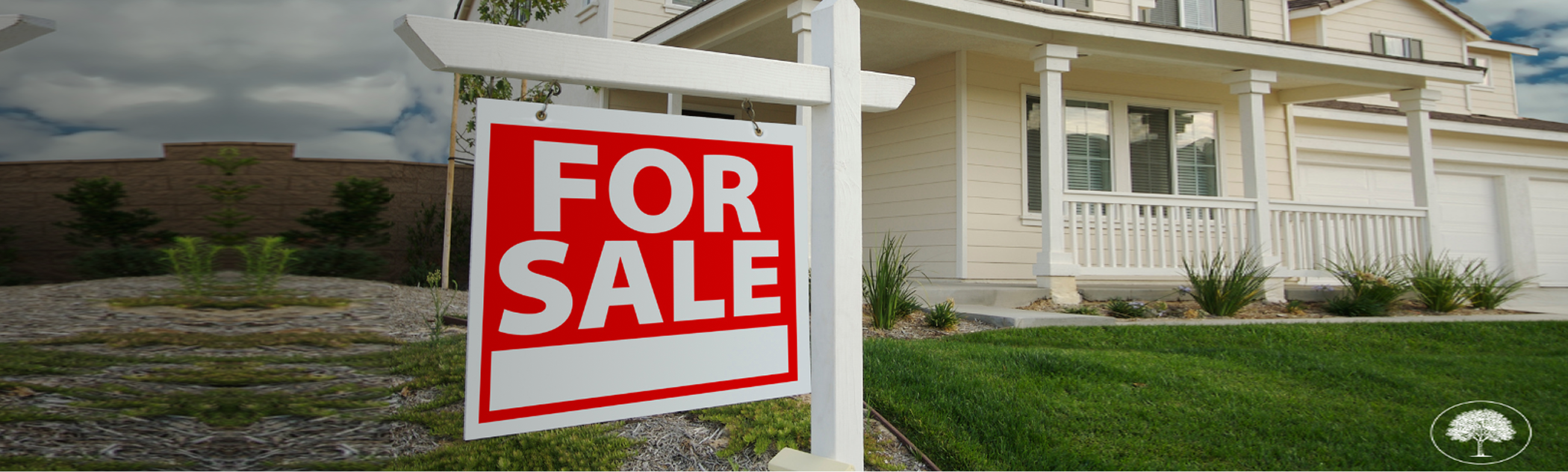
Selling a Home in Probate: A Compassionate Guide for Families
Losing a loved one is never easy; dealing with the complicated emotions of grieving, reminiscing the past, and agreeing with your family, at the same time that you’re undertaking a very complex task can feel like too much! Among the many details that must be figured out, deciding what to do with a loved one’s home can be one of the most emotional and complex tasks.
Whether the home holds decades of memories or represents a financial responsibility that must be settled, navigating the probate process with care and understanding can help your family move forward with peace of mind.
When Can a House Be Sold During Probate?
In most cases, a home cannot be sold until the probate process has officially begun, and only the Personal Representative (PR) of the estate has the authority to sell it. You may have heard the term executor, but in Florida, the correct legal term is personal representative. Both titles refer to the person responsible for managing an estate after someone passes, but Florida law uses the latter term.
Probate ensures that the property’s ownership is legally transferred and that proceeds from any sale are distributed properly. There are, however, some exceptions. If the property was jointly owned with rights of survivorship, included in a revocable living trust, or transferred through a transfer-on-death deed, it may bypass probate altogether. In these situations, the surviving owner or named beneficiaries can take title and sell the home once ownership has been properly recorded. If the home does go through probate, all heirs with an interest in the property must agree to sell. Keeping communication open and compassionate is crucial—disagreements among heirs or beneficiaries can delay or even derail the process.
Preparing to Sell a Probate Property
When several family members inherit a home together, emotions can run high. It’s natural to have differing opinions about what the home is worth or whether to sell it at all. For this reason, the first important step is obtaining a realistic appraisal from a qualified real estate agent familiar with the local market. This will help set clear expectations and prevents misunderstandings. If the property needs to be sold to cover debts or distribute proceeds, the PR guided by the terms of the will and state law—will make the decision to move forward with the sale. Before listing, the PR should ensure the property is vacant, secure, and properly maintained.
Even during probate, ongoing expenses such as utilities and property taxes, insurance, and basic maintenance remain the responsibility of the estate. If a mortgage exists, payments must continue to prevent foreclosure. Remember that this isn’t the time for major renovations. Emptying the home of all personal belongings followed by a light refresh—painting, small repairs, and deep cleaning—can go a long way. The goal is to keep the home safe, tidy, and market-ready without overwhelming the family or draining estate funds.
Completing the Sale
Once the home sells and has closed, the sale proceeds follow a specific order of distribution:
Debts and taxes related to the estate are paid first.
Remaining funds are then divided among heirs or beneficiaries according to the will or applicable state laws.
The PR must handle this process carefully, ensuring transparency and fairness. Depending on the size of the estate, capital gains, inheritance, or estate taxes may apply. Consulting with a probate attorney or tax professional can help minimize complications.
Supporting Each Other Through the Process
Selling a loved one’s home often brings up powerful emotions. It’s not just a financial transaction—it’s a farewell to a meaningful part of your family’s story. For some, the home might have been a childhood sanctuary filled with memories; for others, it represents a responsibility that must now be managed.
As family members navigate these emotions, it’s vital to approach one another with patience and compassion. Everyone grieves differently, and disagreements can easily surface when decisions about the home are on the table. Keeping communication open, calm, and understanding helps avoid conflict and ensures that the process honors your loved one’s legacy.
Finding the Right Help
The probate process can be legally complex, but you don’t have to manage it alone. Working with Birch Haven professionals who understand both the emotional and legal aspects of selling an inherited home can make the journey smoother.
We will connect you with a compassionate real estate professional who will guide you through each step: evaluating the property, coordinating with your attorney, and managing the logistics of listing and selling. With the team at Birch Haven and clear communication, families can turn a challenging situation into a step toward healing and closure.