Why Buying a Foreclosure Property may not be a Bargain
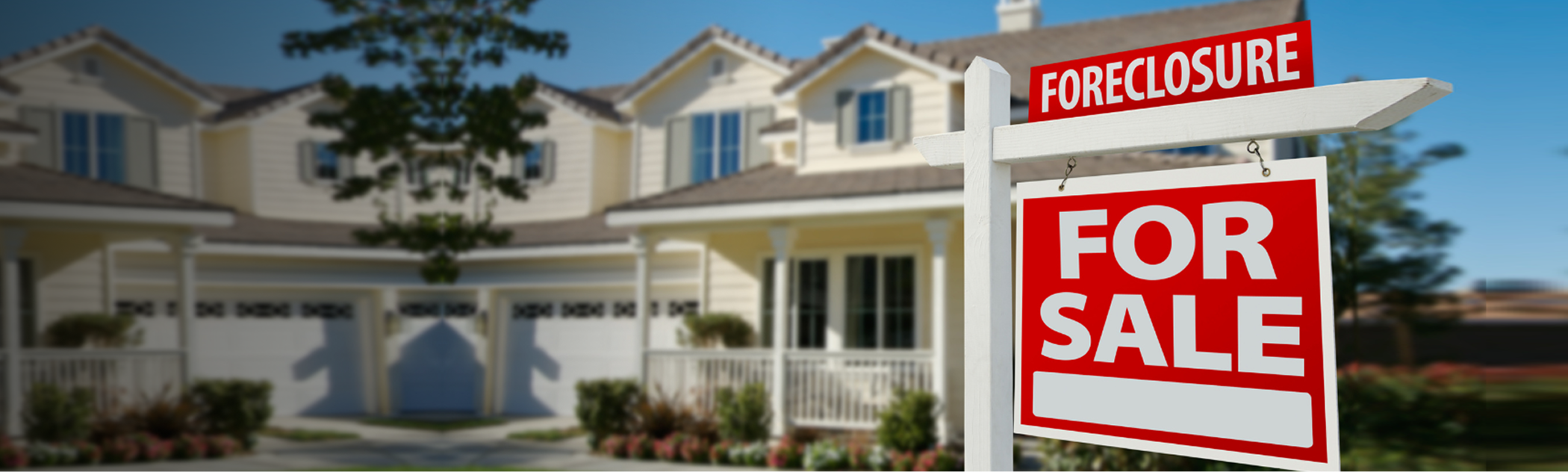
When it comes to real estate buying foreclosed properties often intrigues people. The idea of buying a home for a fraction of its value can sound like a dream come true — but it may be a nightmare in disguise. Foreclosures come with serious risks that every buyer should understand.
What Exactly Is a Foreclosure?
A foreclosure happens when a homeowner stops making mortgage payments and the lender repossesses the property to recover the debt. The lender then sells the property, usually at auction, hoping to recoup as much of the loan balance as possible. While these properties are typically priced below market value, the discount comes at a cost — uncertainty and potential headaches.
Why Foreclosures Are Priced So Low ?
Lenders aren’t in the business of owning homes — they want foreclosures off their books as quickly as possible. The longer a foreclosed home sits, the more the lender must pay for taxes, insurance, and upkeep. Vacant homes can also deteriorate quickly or attract squatters. That’s why banks often slash prices hoping to unload the property quickly. But, if the home was the “Seller Financed” this can add additional complexity to the proverbial onion.
Reasons For Foreclosures
The following are a few of the most common reasons why a lender will foreclose on a property:
Life Happens: The most common reason for foreclosure is that the previous owners can’t afford to pay the mortgage, and sometimes people experience financial hardship that makes it difficult to pay the mortgage.
Divorce Happens: If the previous owners get divorced, and one spouse is left with the mortgage he/she may not be able to handle the payments on their own. Once they get behind on their mortgage payments, it may be impossible to keep up with the mortgage.
Death Happens: If the previous owners die, their estate may not have enough money to pay off the mortgage. In some cases, they may not have had a family to leave the property to. As a result, the property may end up in foreclosure.
The Hidden Risks of Buying a Foreclosure
At first glance, buying a foreclosure might seem like a smart move, but there’s more to it than meets the eye. Here are some reasons these properties can be risky investments:
They’re Sold “As-Is” and Inspections Are Often Off the Table
When you buy a foreclosure, what you see is what you get — and sometimes what you don’t see, too. And if there is a problem it is unlikely that any repairs will be made. Foreclosures often sit vacant for years, leaving them vulnerable to moisture, mold, pests, and vandalism. Even if the price is appealing, the cost of restoring the property could easily erase any savings — especially in older or less desirable neighborhoods. Previous owners may have neglected or even intentionally damaged the property before leaving. Over the years I have even seen some serious malicious damage done to a foreclosed home that are especially costly, like cement in the toilets and down drains.
Unlike a traditional home purchase, you typically can’t inspect a foreclosure before buying. That means you could be inheriting serious structural issues, a sinkhole, a failing roof, or hidden water damage — without knowing it. If you are getting a loan, your lender will require you get homeowners insurance. This many be difficult or impossible to obtain without the repairs done first, which can complicate things even further.
You Might Inherit Old Liens
Unpaid HOA dues, property taxes, utility bills, or contractor fees can follow the property — and you. If the previous owner stopped paying these bills, you could be legally responsible for those debts after closing. That’s why thorough research must be done before you bid or buy. And it is essential to get title insurance and have a thorough title search done.
Determining True Market Value Is Tricky
Foreclosures don’t always come with a clear history or comparable sales data. Without help from an experience real estate agent you could easily overpay or end up with a property that isn’t worth what you owe. Doing your research on recent neighborhood sales — and understanding after-repair value (ARV) — is key.
Bidding Wars Can Backfire
Because foreclosures are priced low, competition can be fierce. Auctions can quickly turn emotional, driving up the price and erasing your profit margin. Remember: the goal is a good deal, not just a win.
The Process Is Complex
Buying a foreclosure isn’t like buying a standard home. Redemption rights, unclear timelines, and layered legal procedures can make the process confusing — especially for first-time buyers. Without proper guidance, it’s easy to make costly mistakes.
How to Protect Yourself When Buying a Foreclosure
While foreclosures carry risk, savvy buyers can still find success if they approach the process carefully. Here’s how:
1. Know Your State’s Lien Laws
In Florida, certain liens may stay attached to the property even after a foreclosure sale. Always perform a full title search and understand what debts you might inherit before purchasing and consult with an attorney.
2. Don’t Overpay
Even with a “discounted” property, value matters. Compare nearby recent sales and stick to the rule of thumb: never pay more than 70% of the property’s after-repair value (ARV).
3. Keep a Cash Cushion
Unexpected repairs and delays are almost guaranteed. Having cash in reserve can help you cover immediate repairs, holding costs, or any surprises that pop up after closing.
4. Be Strategic About Competition
Don’t let bidding wars cloud your judgment. There’s always another opportunity — don’t sacrifice your profit potential just to beat another bidder.
Financing Foreclosures can be difficult
Traditional lenders often shy away from financing foreclosed properties, especially those in poor condition. If timing or repairs are an issue, hard money loans may be an option. These short-term loans are easier to secure and fund quickly — perfect for investors planning to fix and flip. Just be aware: repayment terms are typically short (often 12 months or less), and interest rates are higher and they will expect that you have a big downpayment. It may be difficult to get a conventional loan, CASH is KING in foreclosures.
Should You Flip a Foreclosure?
Flipping a foreclosure can be profitable if you know what you’re doing — and if the numbers make sense.
Always calculate your ARV (After Repair Value) carefully and be honest about repair costs, timelines, and resale potential. If the math doesn’t leave room for profit, it’s probably not the right deal.
Foreclosed homes can be tempting, but they’re not for the faint of heart. Between the potential repairs, legal risks, and financing challenges, buying a foreclosure requires patience, research, and a healthy risk tolerance.
Before diving in, talk with a trusted real estate professional and a financing expert who understand foreclosure sales in your area. With the right preparation and guidance, you’ll know whether the “bargain” in front of you is really an opportunity — or a money pit in disguise.